


What is a tumbler cup?

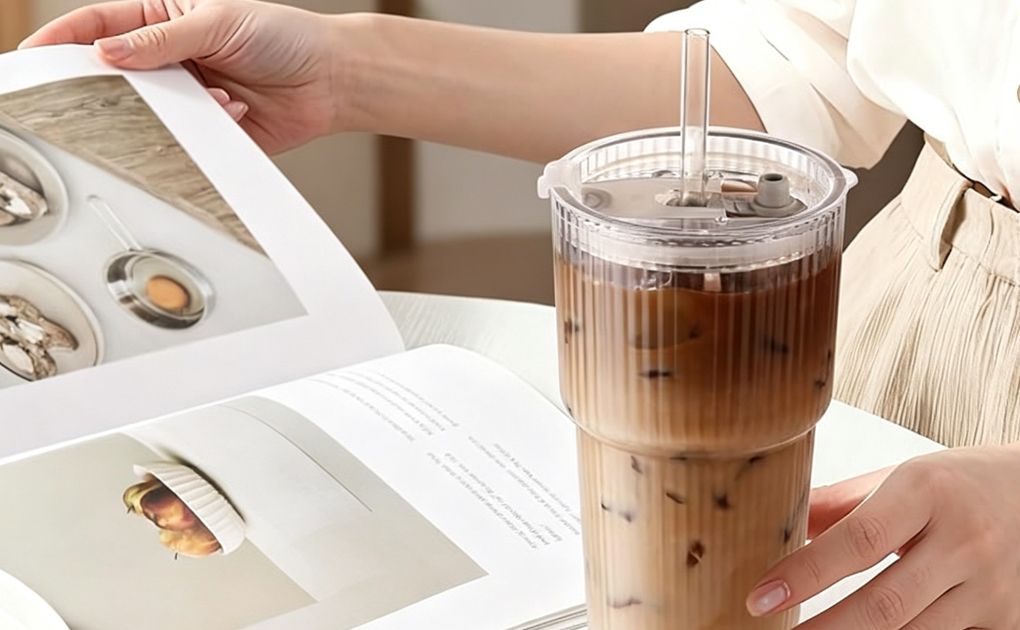
Different sources give different accounts of the origins of the word tumbler. The most common etymology holds that the original glasses give this name had bases that either rounded out or came to a point, making them impossible to put down because they would fall over. This limitation is explained either as a result of glass-making practices of the day, or as an intentional design flaw to inspire patrons to imbibe more alcohol by requiring them to finish their drink before they could put it down. An alternate etymology of the term cites the 17th century use of the phrase “Venice glass tumblers” to describe glass-makers who made these types of glasses.
The earliest glasses that could be given this name were made in Rome during the pre-Christian era. These glasses were blown, not pressed, which gave them a rounded appearance, almost of a ball. Their bases were most likely flattened, however, so that they would not in fact “tumbler” over.
These days, a tumbler may come in many different shapes. Because of its wide-spread popularity, most glass makers have at least one, if not many, different varieties for sale. The glass may be simple, with a flat base and basic outward-arcing body, or may be wavy and artistic, pointed with no flat base, rounded and nested on a stem to a flat base, or any number of other designs. They come in all sorts of colors and patterns and may not even be made of glass — some are constructed of stainless steel or plastics.
Tumblers are often bought and customized for personal use or thoughtful gifts. Plastic and stainless steel tumblers are usually customized with decals or epoxy, and you can customize glass tumblers with etching. Whether you are using decals for plastic or stainless steel tumblers or etching on glass tumblers, these different methods can both employ the use of a Circuit.
If you are interested in tumblers, pls visit our company website at www.wantaicn.com .